A Beginner’s Guide to Watch Complications (Made Simple and Clear)
Share
If you’ve ever looked at a luxury watch description and wondered what terms like chronograph, GMT or perpetual calendar actually mean, you’re not alone.
In watchmaking, a “complication” simply refers to any function on a mechanical watch beyond telling the time. This definition is consistent across the industry and is used by major manufacturers including Rolex, Audemars Piguet and Patek Philippe in their official watch descriptions and technical explanations.
Once you understand the basics, complications stop being confusing and start becoming one of the most interesting parts of choosing a watch—because they directly affect how you use the watch in daily life.
1. Date Function – Everyday Practicality
One of the most common complications in modern wristwatches is the date display.
Rolex integrates the date function across many of its most iconic models, including the Datejust and Submariner ranges. In Rolex’s own technical descriptions, the date complication is designed to provide a clear, instant display of the current calendar date, often enhanced with the Cyclops lens for improved legibility.
Why it matters:
The date function is the most practical complication in everyday wear. It does not require interaction or adjustment beyond normal calendar changes, making it ideal for daily use.
In simple terms, it’s the complication you use most often without even thinking about it.
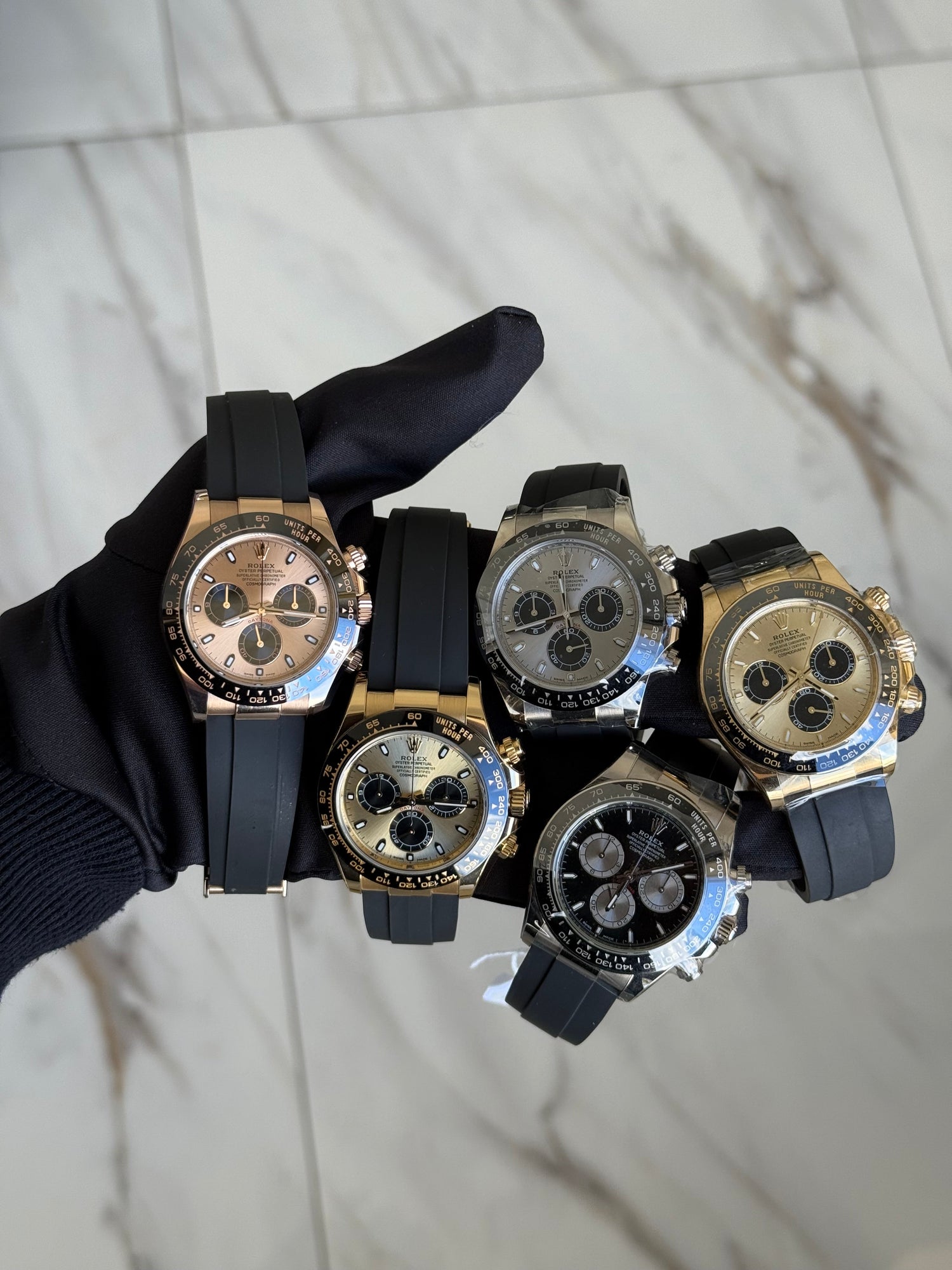
2. Chronograph – Precision Time Measurement
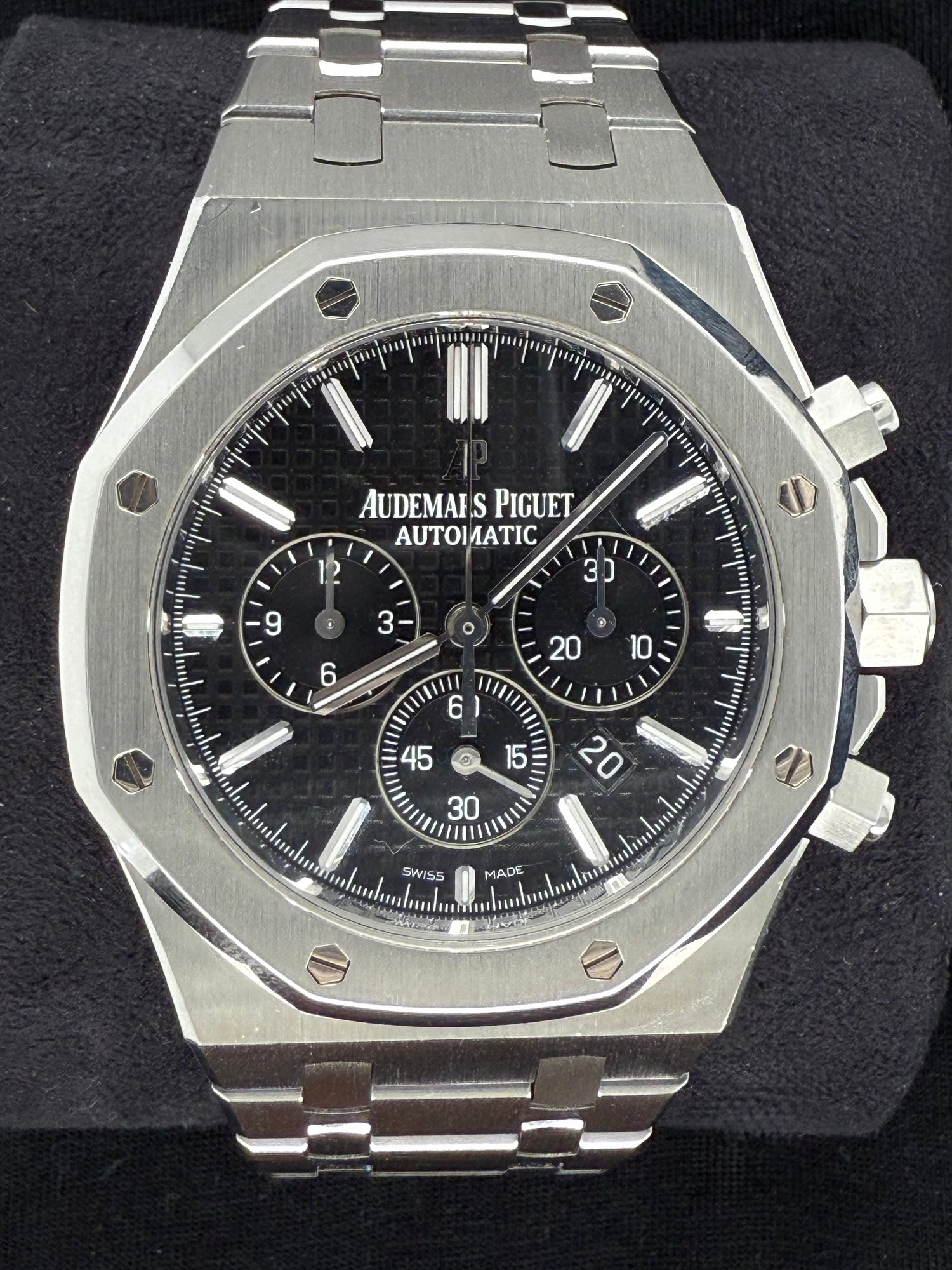
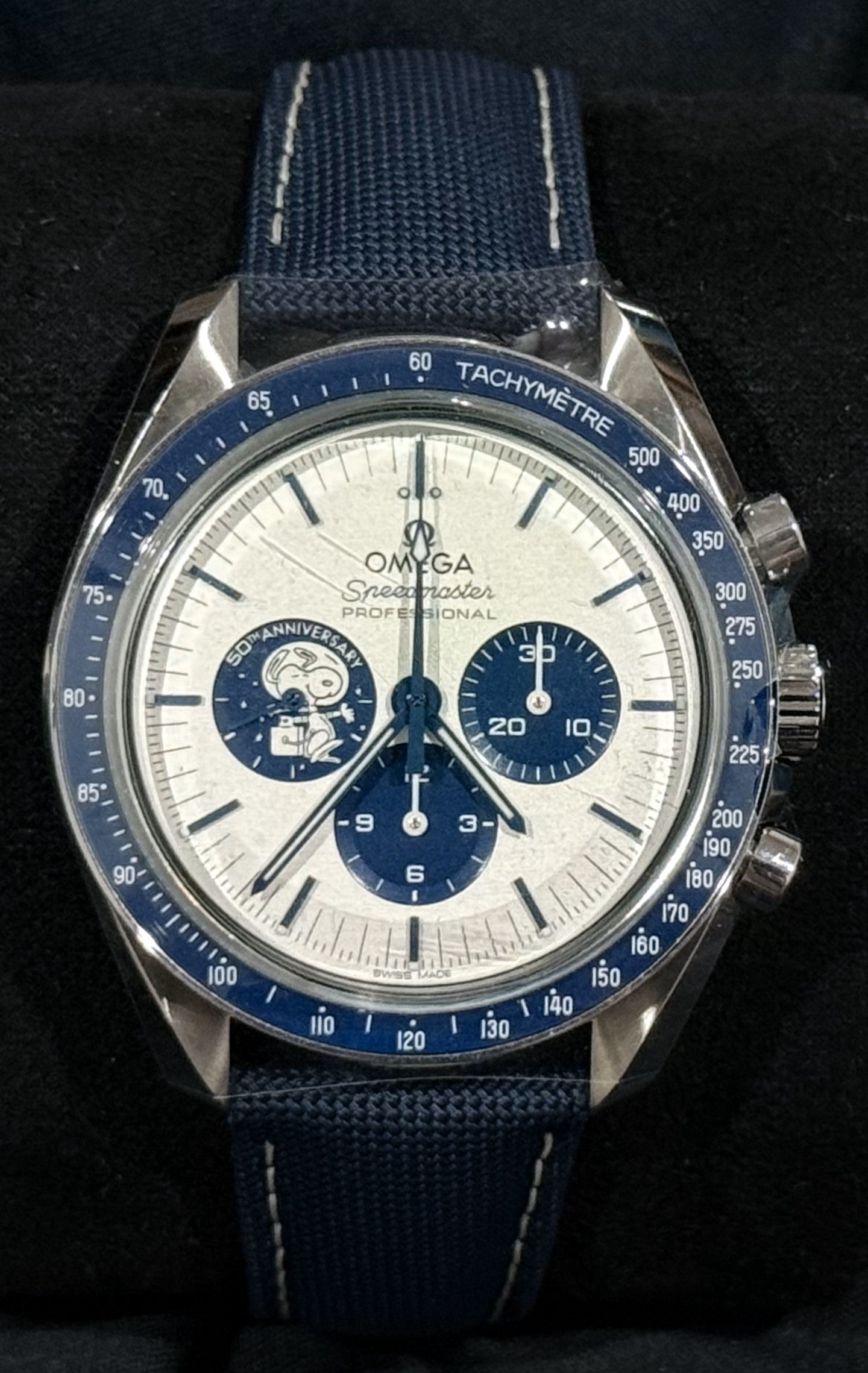
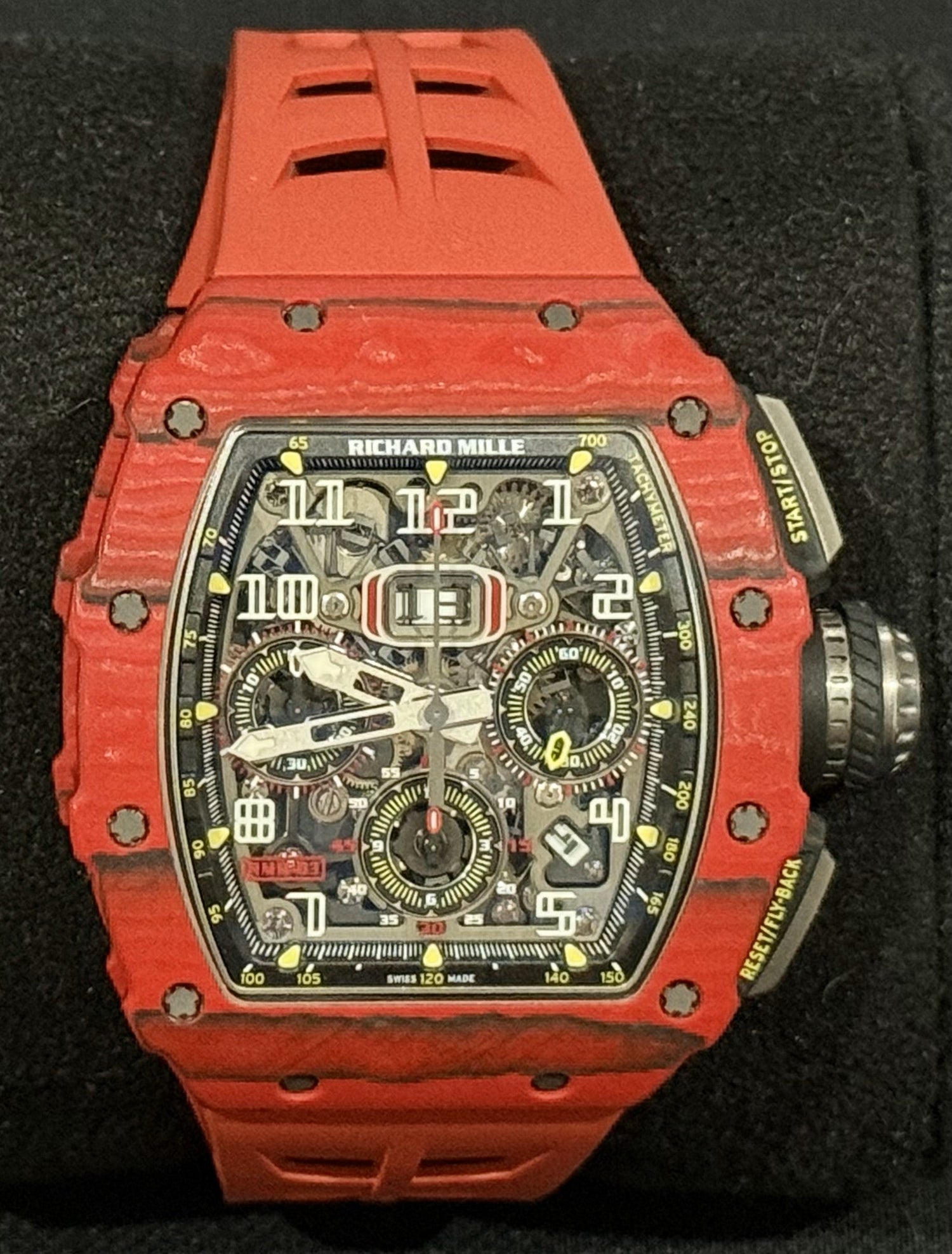
A chronograph is a timing function that allows the wearer to measure elapsed time using start, stop and reset pushers.
Rolex describes the Daytona as a precision instrument for measuring elapsed time with high performance and legibility. Audemars Piguet integrates chronograph functionality within the Royal Oak architecture, maintaining design balance. Patek Philippe’s Nautilus chronograph combines timing functionality with a single oversized sub-dial design for clarity.
Why it matters:
Chronographs add both function and visual depth. Even when not used, the sub-dials and pushers give the watch a more technical, sport-oriented appearance.
Key models include Rolex Cosmograph Daytona, Audemars Piguet Royal Oak Chronograph and Patek Philippe Nautilus Chronograph.
It’s one of the most recognisable complications in luxury watchmaking.
3. GMT / Dual Time Zone – Tracking Multiple Time Zones
The GMT complication allows a watch to display more than one time zone at once, typically through an additional hour hand and a 24-hour scale.
Rolex’s GMT-Master II uses an additional 24-hour hand and rotating bezel to track a second time zone. Patek Philippe’s Aquanaut Travel Time system allows independent adjustment of local and home time with clear day/night indicators.
Why it matters:
This is one of the most practical complications for modern life. Whether for travel or international communication, it allows you to track time in multiple regions instantly.
Key models include Rolex GMT-Master II (e.g. “Pepsi”, “Batman”, “Bruce Wayne”) and Patek Philippe Aquanaut Travel Time.
It also adds strong visual identity, especially in Rolex’s bi-colour bezel designs.
4. Annual Calendar – Automatic Month Adjustment
An annual calendar automatically adjusts for months with 30 and 31 days, requiring only one manual correction per year.
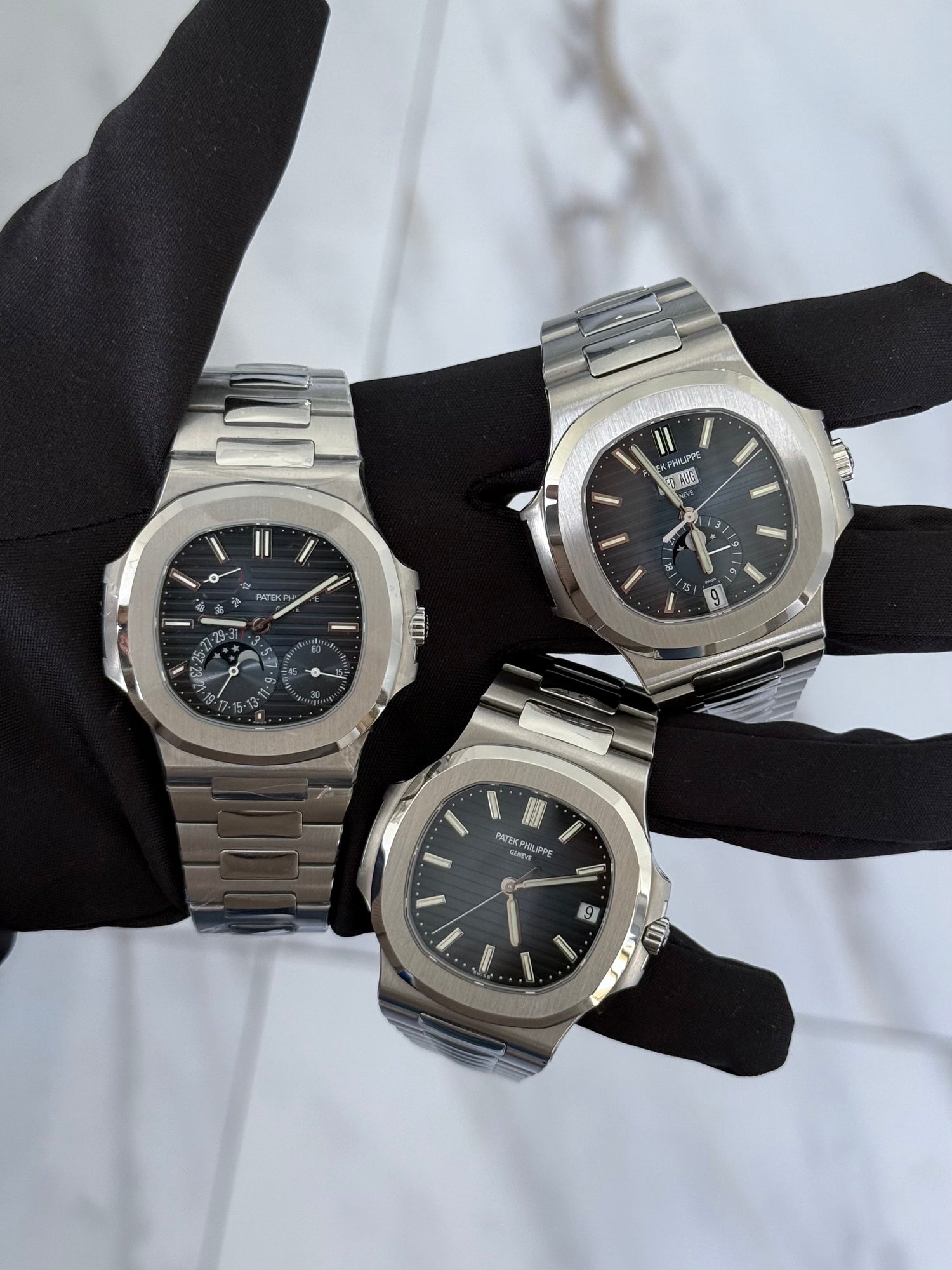
A key example is the Patek Philippe Aquanaut Luce Annual Calendar, which displays day, date, and month in a highly legible layout.
Patek Philippe officially describes the annual calendar as a practical complication that reduces the need for manual adjustment while maintaining mechanical sophistication.
Why it matters:
It sits between a simple date watch and a full perpetual calendar. It’s ideal for someone who wants high functionality without extreme complexity.
5. Perpetual Calendar – Long-Term Mechanical Memory
The perpetual calendar is one of the most advanced mechanical complications in watchmaking.
Key models include Patek Philippe Nautilus Perpetual Calendar and Audemars Piguet Royal Oak Perpetual Calendar.
Patek Philippe describes the perpetual calendar as a mechanism that accounts for varying month lengths and leap years, requiring minimal adjustment over decades. Audemars Piguet integrates this complication into the Royal Oak design while maintaining full calendar functionality including day, date, month, and astronomical indications.
Why it matters:
This is not about daily practicality—it’s about mechanical engineering at the highest level. A perpetual calendar is designed to “understand” the calendar cycle far into the future.
It represents one of the greatest achievements in traditional watchmaking.
6. Moon Phase – Astronomical Time Indication
The moon phase complication displays the current lunar cycle as seen from Earth.
Key models include Patek Philippe Nautilus Moon Phase and Audemars Piguet Royal Oak Moon Phase.
Both brands integrate this feature into calendar-based models. Patek Philippe is particularly known for combining moon phase displays with power reserve and date functions in highly balanced dial layouts.
Why it matters:
While not essential for daily use, the moon phase adds traditional astronomical character and visual depth to the watch.
It connects modern mechanical watches to historical timekeeping traditions.
How to Understand Complications Without Overthinking It
The easiest way to understand complications is to group them by purpose:
Daily utility: Date, GMT
Functional timing: Chronograph
Calendar systems: Annual calendar, perpetual calendar
Astronomical display: Moon phase
Each complication adds a different layer of complexity, but not necessarily daily necessity.
Watch complications are not about complexity for the sake of it—they are about function, craftsmanship, and how you interact with your watch. If you’re exploring your first luxury watch or considering something more advanced, the best way to understand complications is to experience them in person.
We have over 200 luxury watches in stock across Rolex, Audemars Piguet and Patek Philippe, including models featuring all the complications mentioned above. You’re welcome to visit our showroom, compare pieces side by side, and see how each function feels on the wrist.
Because once you experience them physically, complications stop being technical and start becoming personal.